Sewer Line Repair in Rock Hill, SC, From Older Streets to New Builds
Older streets, older pipe, and plenty of newer neighborhoods too.
Call to check availability
Sewer Line Repair in Fort Mill, SC and in Rock Hill share a lot, but Rock Hill's long history means its homes carry almost every kind of sewer pipe ever laid. Because early neighborhoods expanded long before modern plastic drainage standards existed, property owners frequently manage aging clay lines, degraded pitch fiber pipes, or scaled cast iron drains buried deep in red clay soil.
Why Do Older Rock Hill Homes Have More Sewer Line Trouble?
Age and material. Rock Hill grew up around the railroad that arrived in 1852, so some neighborhoods are much older than those in nearby towns. Older homes may still have clay pipe with root-prone joints, cast iron that corrodes inside, or Orangeburg fiber pipe that can flatten.
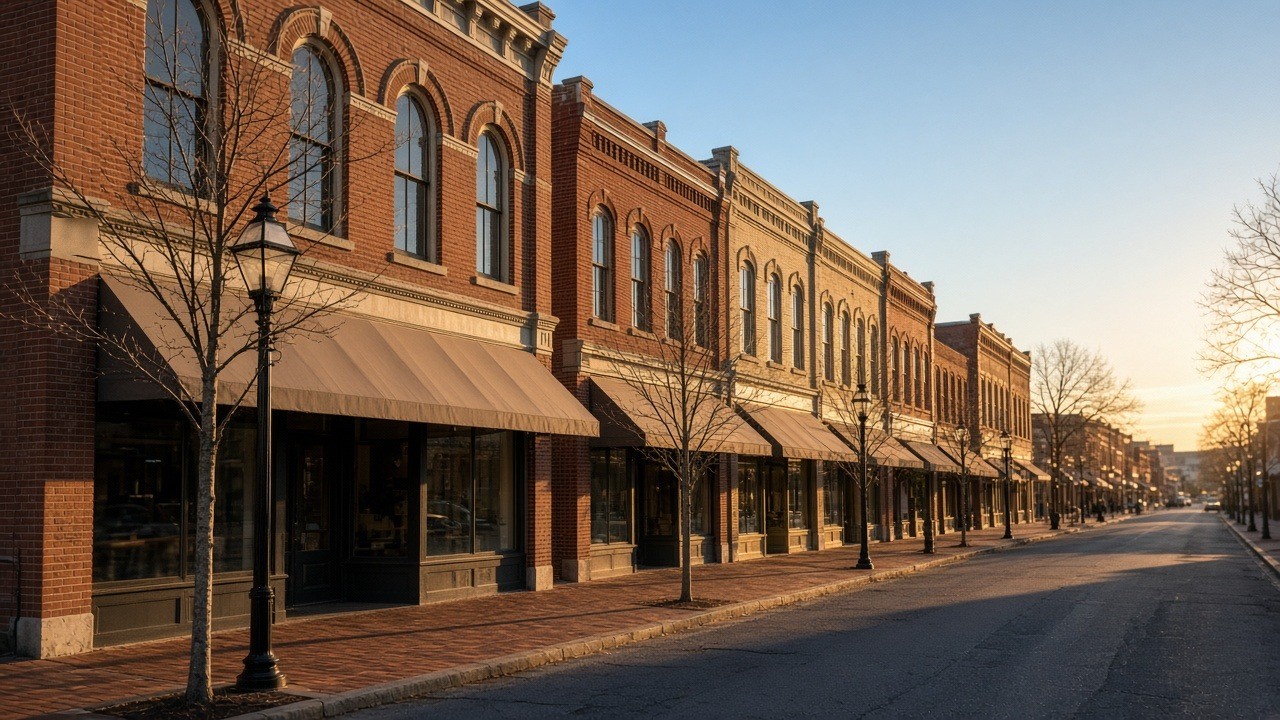
Rock Hill expanded rapidly following the arrival of the Charlotte and South Carolina Railroad in 1852, evolving into a major regional center of commerce and industry along the Catawba River and the I-77 corridor. Today, it stands as the largest municipality in York County and the fifth-largest city in South Carolina, recording 74,372 residents at the 2020 Census. As the proud home of Winthrop University and numerous historic districts lined with century-old trees, the city features an exceptionally diverse range of architectural eras and utility installations.
Underneath established historic avenues, original sewer laterals were assembled using vitrified clay segments joined with mortar or bitumen. Over decades, ground vibrations, soil expansion in red clay, and mature oak and pine root pressure cause clay joints to crack or offset. Mid-century neighborhoods constructed between World War II and the 1970s often contain Orangeburg coal-tar fiber pipes that blister internally and buckle under earth loads. Meanwhile, heavy cast iron under slab foundations develops internal rust scale that catches flushable paper.
The age of the house is the first clue. The camera is the answer.
Pipe by Era in Rock Hill
| When the home was built | Pipe often found | What to watch for |
|---|---|---|
| Before about 1945 | Clay; cast iron inside and under the house | Root intrusion at joints, cracked or offset clay, corroded cast iron |
| About 1945 to early 1970s | Orangeburg possible; clay; cast iron | Blistered or flattened Orangeburg, roots |
| 1970s onward | PVC increasingly common | Sags from settled trenches, damage from later digging |
General patterns, not a rule for any house. Repairs and additions mean one line can mix materials.
How Do Mature Trees Affect Sewer Lines in Rock Hill?
Big, old trees along older streets send roots toward the moisture at pipe joints and cracks. Roots that get in keep growing and catch paper and grease, so clogs come back after a clearing. Cutting buys time; a spot repair or lining seals the gap.
When fine root hair enters through mortar gaps, warm nutrient-rich vapor causes rapid exponential root growth, creating dense root balls that act like strainers. While running a mechanical root cutter clears the immediate obstruction, the damaged joint remains open underground. Discover how targeted sewer line spot repair or comprehensive camera inspections resolve recurring tree root blockages.
Clogs that keep coming back?
Call and describe the history; a camera inspection shows whether roots are the cause.
Call (803) 887-3236What Does Sewer Line Repair Typically Cost in Rock Hill?
Older lines can mean longer runs of failing pipe, so costs range from a cleaning or spot repair to full lining or replacement; spot repairs roughly $1,500–$5,000 and lining roughly $80–$250 per foot are typical ranges, not quotes. Pipe depth and paving influence the total.
Review full replacement options and trenchless CIPP lining considerations on our replacement and trenchless lining page.
Is the City or the Homeowner Responsible for My Sewer Line?
Usually the homeowner owns and maintains the lateral from the house to the public main or the property-line connection, and the sewer provider handles the main; exactly where that changes depends on the provider, so ask them before work starts. Permits and SC811 marking apply.
Before breaking ground in Rock Hill, municipal plumbing permits must be secured where mandated by code, and underground public utilities must be officially marked via SC811 to protect gas, electric, and communication lines.
Rock Hill Sewer Line Questions
Does Rock Hill have Orangeburg pipe?
+−
Homes constructed between the mid-1940s and early 1970s may have bituminized fiber Orangeburg sewer laterals. Because this wood-pitch composite degrades and flattens over decades, an in-pipe video camera inspection is the only reliable method to confirm its presence.
Can an old clay line be lined instead of dug up?
+−
Often, yes. If the host clay pipe remains structurally round without severe collapses or deep belly sags, cured-in-place pipe (CIPP) lining creates a smooth, seamless epoxy barrier inside the old line that seals joints against root intrusion without tearing up yards.
Will a sewer repair tear up my front yard?
+−
Spot repairs require an excavated access pit at the specific point of failure. Trenchless lining or pipe bursting typically requires only small launch and receiving pits, preserving driveways and established landscaping. Restoration terms are always reviewed beforehand.
Do you also work in newer Rock Hill neighborhoods?
+−
Yes. Newer developments feature PVC drainage piping, but like nearby subdivisions, they can suffer from trench settling, grade bellies, or damage from post-construction digging. We provide camera diagnostic and repair services across all Rock Hill neighborhoods.
Question not covered here? Call (803) 887-3236