Sewer Line Repair in Fort Mill, SC
Slow drains, gurgling toilets, a soggy strip of lawn or sewage in the tub. Here's how sewer lines around York County fail, how they get found with a camera, and what fixing them typically costs.
Call to check availability
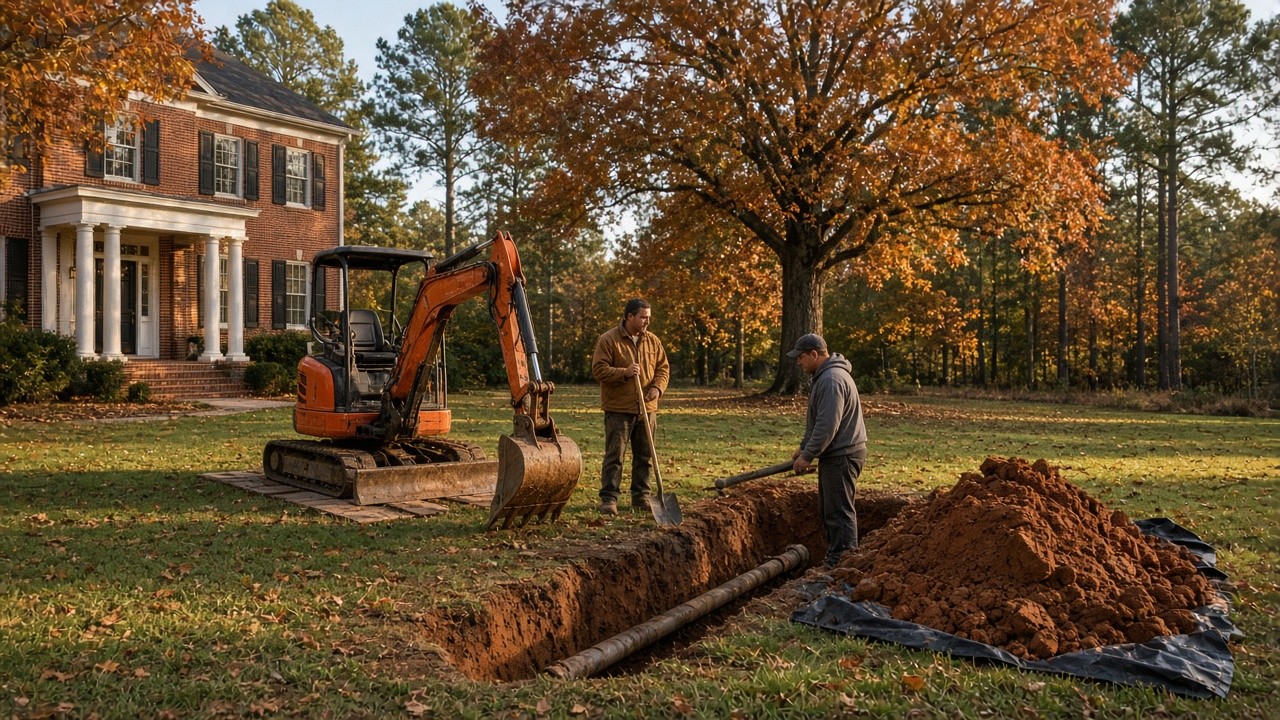
What Does Sewer Line Repair in Fort Mill, SC Usually Involve?
Most sewer lateral jobs start with a high-definition video camera inspection from your cleanout to the street. Depending on what the footage reveals, work follows one of four paths: clearing roots with hydro jetting, digging a localized spot repair, executing trenchless pipe lining, or installing an exterior cleanout for emergency backups.
When dealing with Sewer Line Repair in Fort Mill, SC, guessing what lies five feet under dense Carolina clay only wastes time and lawn. We take a camera-first approach so you see the exact condition of the line on screen before making any repair decisions.
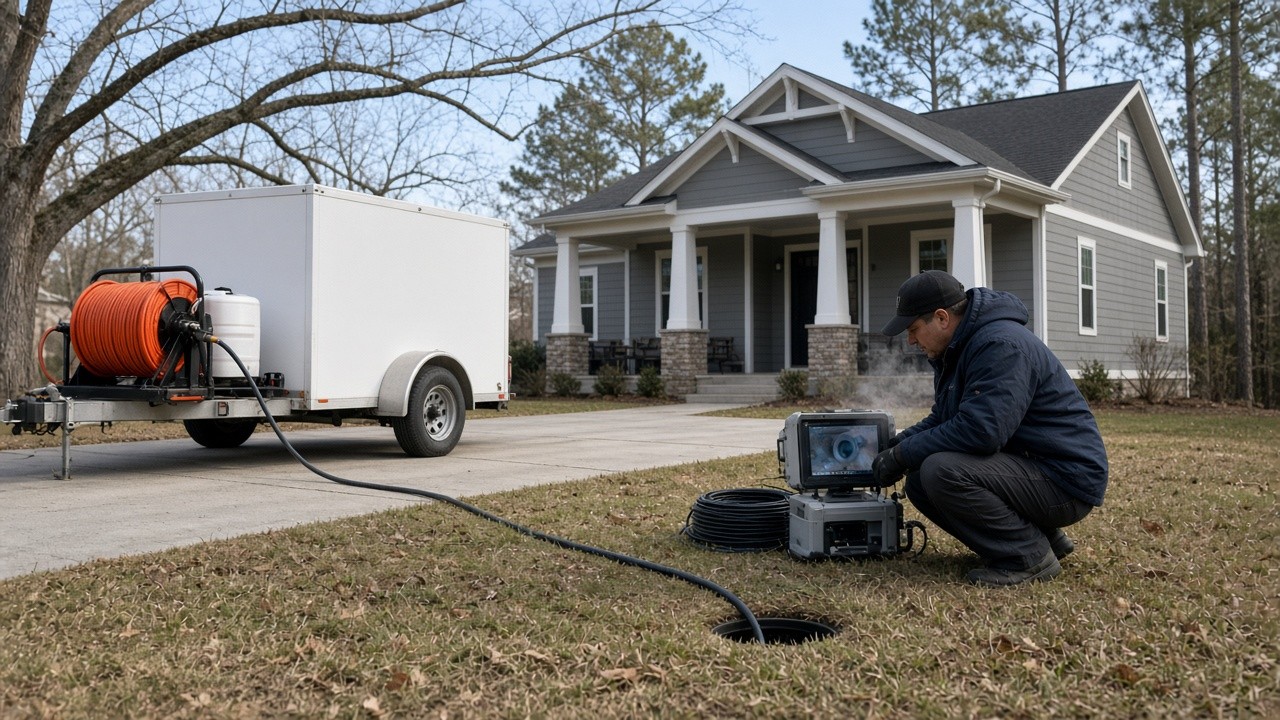
Camera Inspection & Hydro Jetting
High-definition video cameras pinpoint roots, sags, and cracks, while 4,000 PSI hydro jetters scrub pipe walls clean.
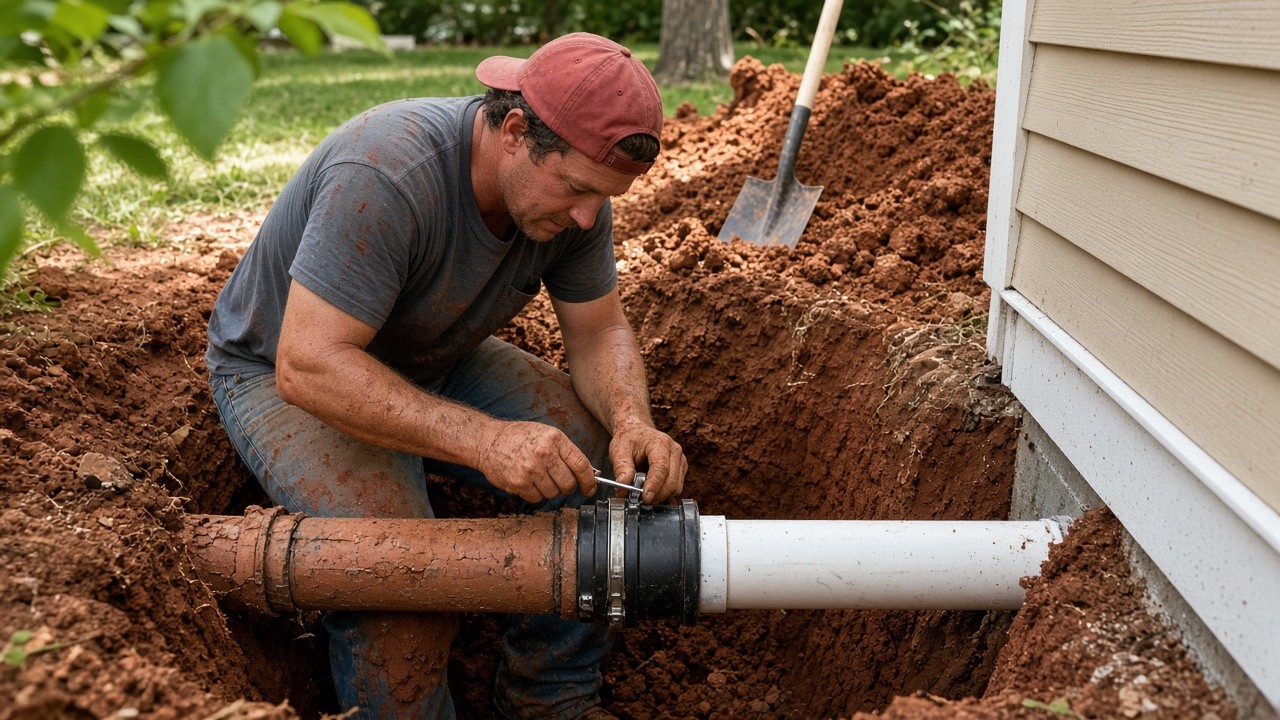
Sewer Line Spot Repair
Point excavation replaces single fractured clay joints, crushed pipe sections, or localized root penetrations without whole-yard digs.
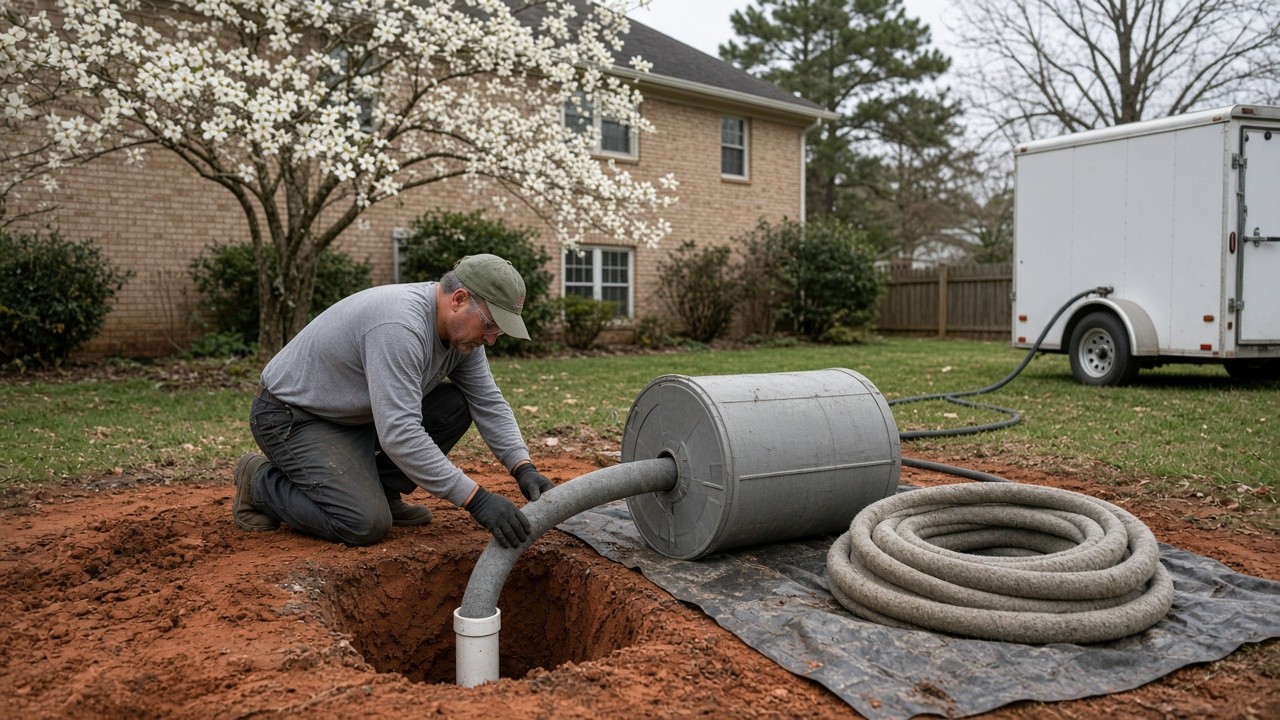
Replacement & Trenchless Lining
Cured-in-place pipe (CIPP) lining installs a structural epoxy sleeve inside the old host pipe, or open excavation replaces obsolete lines.
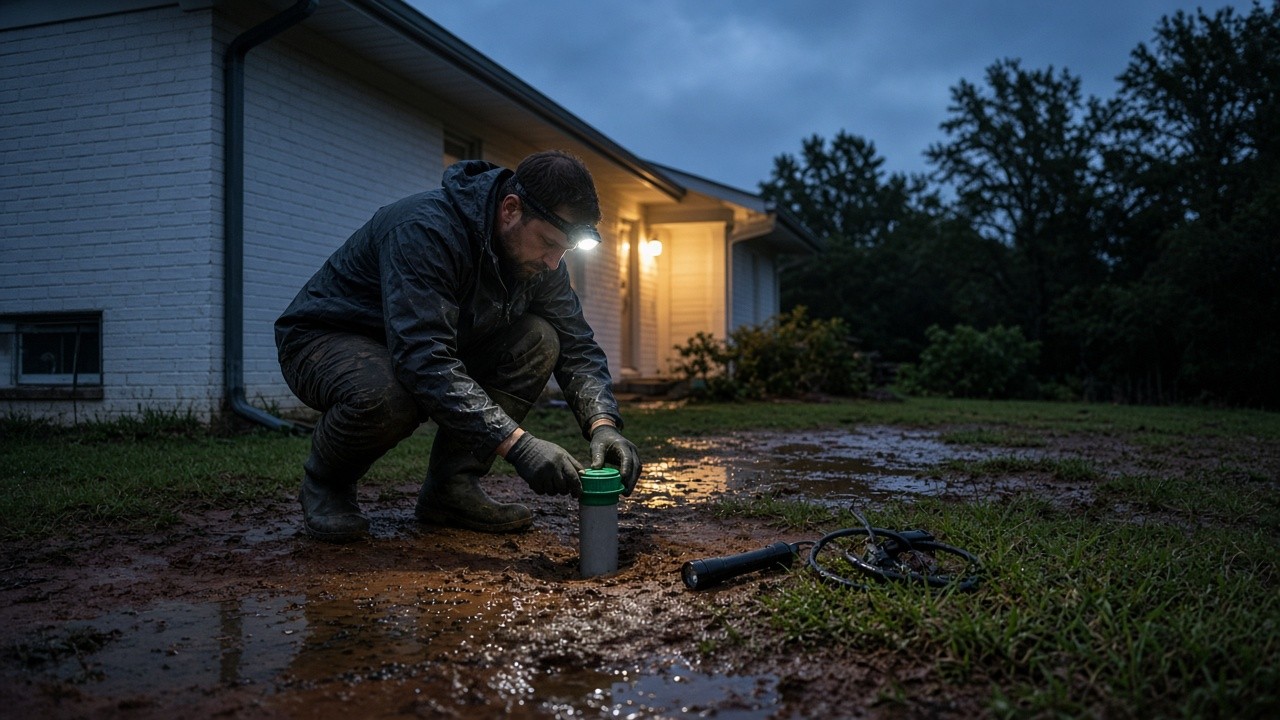
Emergency Backups & Cleanouts
Immediate dispatch to clear overflowing drains, prevent internal home flooding, and add two-way yard cleanouts for future lateral access.
Why Do Sewer Lines Fail Around Fort Mill?
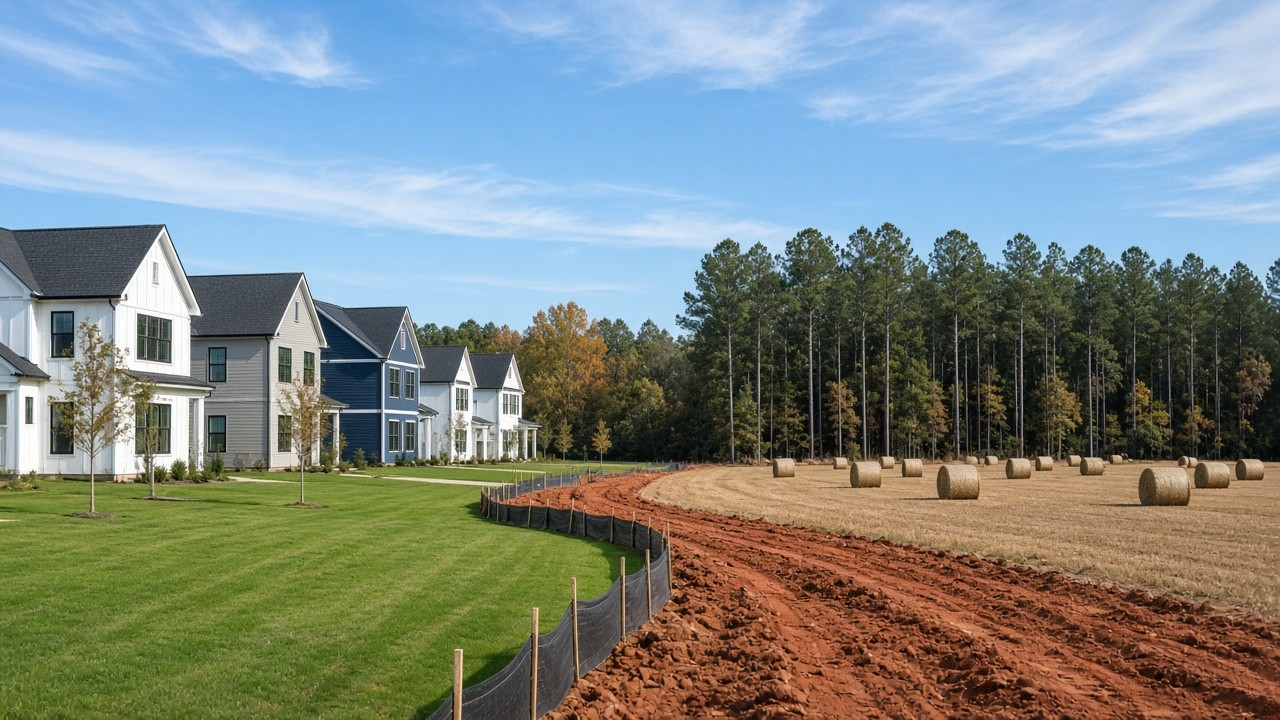
Most sewer lateral failures in the area stem from pipe age and soil conditions. Older homes often have vitrified clay whose joint seals fail, or deteriorating Orangeburg fiber pipe that blisters and flattens. Cast iron corrodes internally, while modern PVC lines can develop low belly depressions when heavy Piedmont red clay trenches settle.
Vitrified Clay Pipe
Common in older neighborhoods. Installed in short two-foot segments with mortar joints where Carolina oak roots slip through hairline cracks to seek moisture.
Orangeburg Fiber Pipe
Bituminized wood fiber pipe used from roughly the mid-1940s to early 1970s. Decades of wastewater cause layers to blister, soften, and slowly compress into an oval.
Cast Iron Drains
Standard under older homes. Prone to severe internal scaling, corrosion, and bottom-channel rot, creating jagged ridges that snag toilet tissue and slow outgoing waste.
Modern PVC Piping
Standard in newer subdivisions. Glued joints resist roots well, but uncompacted trenches in shifting red clay soils can cause lines to sag into low bellies.
Mature Southern pines and oaks aggressively send hair-fine roots toward moisture escaping at loose pipe collars. Once inside, roots blossom into thick mats that trap solids and toilet paper. In addition, Piedmont red clay soils expand dramatically when waterlogged and shrink during summer dry spells. Poorly compacted bedding beneath trenches causes laterals to settle, creating low belly dips where standing wastewater collects. Orangeburg pipe is named for Orangeburg, New York, where most of it was made, not for Orangeburg, South Carolina.
How Does a Sewer Line Repair Job Work, Step by Step?
Every lateral repair follows a three-step sequence: look, decide, and fix. We first run a high-definition sewer camera down the pipe to record footage and track the exact surface depth. Next, we review the recording with you to evaluate repair options and cost ranges. Finally, we execute the repair and verify full flow.
Look
A flexible high-definition push camera enters via your cleanout, vent, or toilet mount. The self-leveling head records the pipe interior while a 512 Hz sonde transmitter pinpoints surface location and depth.
Decide
We review the recorded video together on a portable monitor, explaining in plain language whether a mechanical clean, spot repair, or trenchless lining suits your lateral. We outline permits and request SC811 marking.
Fix and Verify
Our team completes the selected repair using durable materials. Once in place, a second camera inspection verifies clean, uninterrupted flow before properly backfilling trenches and leveling the soil.
In York County, homeowners typically own and maintain the private sewer lateral from the home's exterior wall all the way to the municipal main connection or curb line tap. If your property is served by an on-site septic tank, you own the entire run from the house to the septic inlet.
Not sure where the problem is?
Call and describe what the drains are doing; we'll explain what a camera inspection usually shows.
Call (803) 887-3236How Much Does Sewer Line Repair in Fort Mill, SC Typically Cost?
Sewer lateral costs vary based on depth, pipe condition, and surface obstacles. Video camera inspections typically run roughly $150–$500. Targeted spot repairs range from $1,500–$5,000, while trenchless cured-in-place lining averages $80–$250 per foot. Open-trench replacements commonly run several thousand to $15,000 or more. Every figure here is a typical range, not a quote.
Typical ranges for general information. Your line needs its own inspection and written estimate.
What moves the price? Burial depth in red clay, pipe length, driveways or patio pavers overhead, mature tree root removals, municipal permit fees, and whether work requires emergency after-hours dispatch.
Does Homeowners Insurance Cover Sewer Line Repair?
Often not for the pipe itself. Most homeowner policies do not cover wear-and-tear, age or root damage on the sewer line, and coverage varies; some insurers sell optional sewer backup or service line coverage. Check your policy and ask your insurer before work begins.
Insurance policies sometimes cover water remediation inside the home if a sewer backup rider was purchased, while excluding the exterior underground pipe repair. Document all conditions with photos and save camera video footage and contractor invoices. Nothing here is insurance or legal advice.
Which Towns Around Fort Mill Do You Serve?
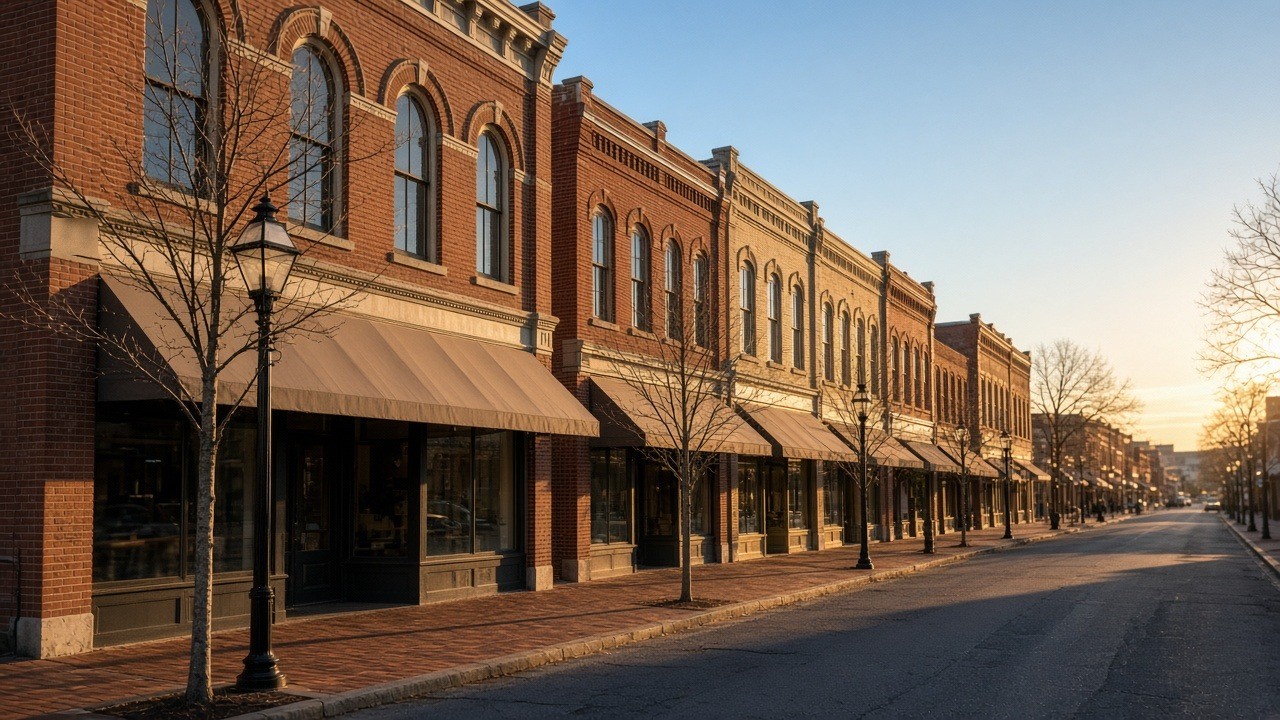
Fort Mill and its neighbors: Tega Cay on Lake Wylie, the fast-growing Indian Land area across the county line in Lancaster County, and Rock Hill, the largest city in York County. Call to check availability for nearby areas.
Fort Mill at a Glance
- ▪A town in northeastern York County, South Carolina, just south of the North Carolina line and part of the Charlotte region, with direct access to I-77.
- ▪Lake Wylie lies along its western side and the Catawba River along its southern side.
- ▪Grew up around textile manufacturing: the Fort Mill Manufacturing Company, founded in the late 1800s, later became Springs Industries.
- ▪Home of the Anne Springs Close Greenway, a nature preserve of about 2,100 acres.
- ▪Regularly described as one of the fastest-growing municipalities in South Carolina, with many newer subdivisions alongside older in-town streets.

Sewer Line Repair Questions From Fort Mill Homeowners
How much does a sewer line repair cost in Fort Mill?
+−
Typical costs depend entirely on what the camera reveals. A camera inspection runs roughly $150–$500. A targeted spot repair of one bad section runs roughly $1,500–$5,000. Full trenchless lining typically runs $80–$250 per foot, and open-trench replacement runs $50–$250 per foot, commonly totaling several thousand to $15,000 or more.
Will my homeowners insurance pay for a broken sewer line?
+−
Most standard homeowners insurance policies do not cover ordinary wear-and-tear, age, or root damage on an exterior sewer lateral. Some policies offer optional sewer backup riders or buried utility service line endorsements. Coverage varies significantly by carrier, so check your policy and speak with your insurer.
How do I know if the problem is the main sewer line or just one drain?
+−
If a single sink or toilet drains slowly, the obstruction is usually in that fixture's branch drain. When several fixtures back up simultaneously, when gurgling sounds travel through bathroom fixtures, or when wastewater pushes up into the lowest tub or shower drain, the restriction is in the main sewer lateral.
Who is responsible for the sewer line between my house and the street?
+−
The property owner is typically responsible for owning and maintaining the entire sewer lateral from the foundation out to the municipal connection or property line. If your home uses an on-site septic system, you own the complete pipe run to the septic tank. Verify exact demarcation points with your local utility provider.
Can tree roots really break a sewer pipe?
+−
Yes. Mature trees seek moisture and warm vapor escaping from tiny hairline fissures or joint gaps in underground pipes. Once inside, root fibers expand, catching toilet paper and solids. Mechanical cutting clears root blockages temporarily, while spot excavation or seamless pipe lining provides a permanent barrier. Learn more about our spot repair solutions.
Do I have to dig up my yard to fix a sewer line?
+−
Not necessarily. While severe pipe collapses or backward sags require traditional open excavation, many deteriorated clay or cast iron lines can be rehabilitated using trenchless cured-in-place pipe (CIPP) lining or pipe bursting, requiring only compact insertion pits that protect mature trees and driveways. Explore our trenchless pipe lining options.
What should I do if sewage is backing up right now?
+−
Immediately stop running water, shut off washing machines, keep family and pets away from wet floors, and avoid pouring caustic chemical drain cleaners into backed-up drains. Call right away to check availability for emergency clearing and diagnostic inspection. Review our emergency backup instructions.
Do you work outside Fort Mill?
+−
Yes. In addition to Fort Mill, service covers neighboring communities across York County and the Lancaster County panhandle, including Tega Cay, Indian Land, and Rock Hill. Call to check current availability for your specific neighborhood.
Question not covered here? Call (803) 887-3236
Tell us what the drains are doing.
Phone only. One number. Call to check availability.